IDEA TO SOLUTION
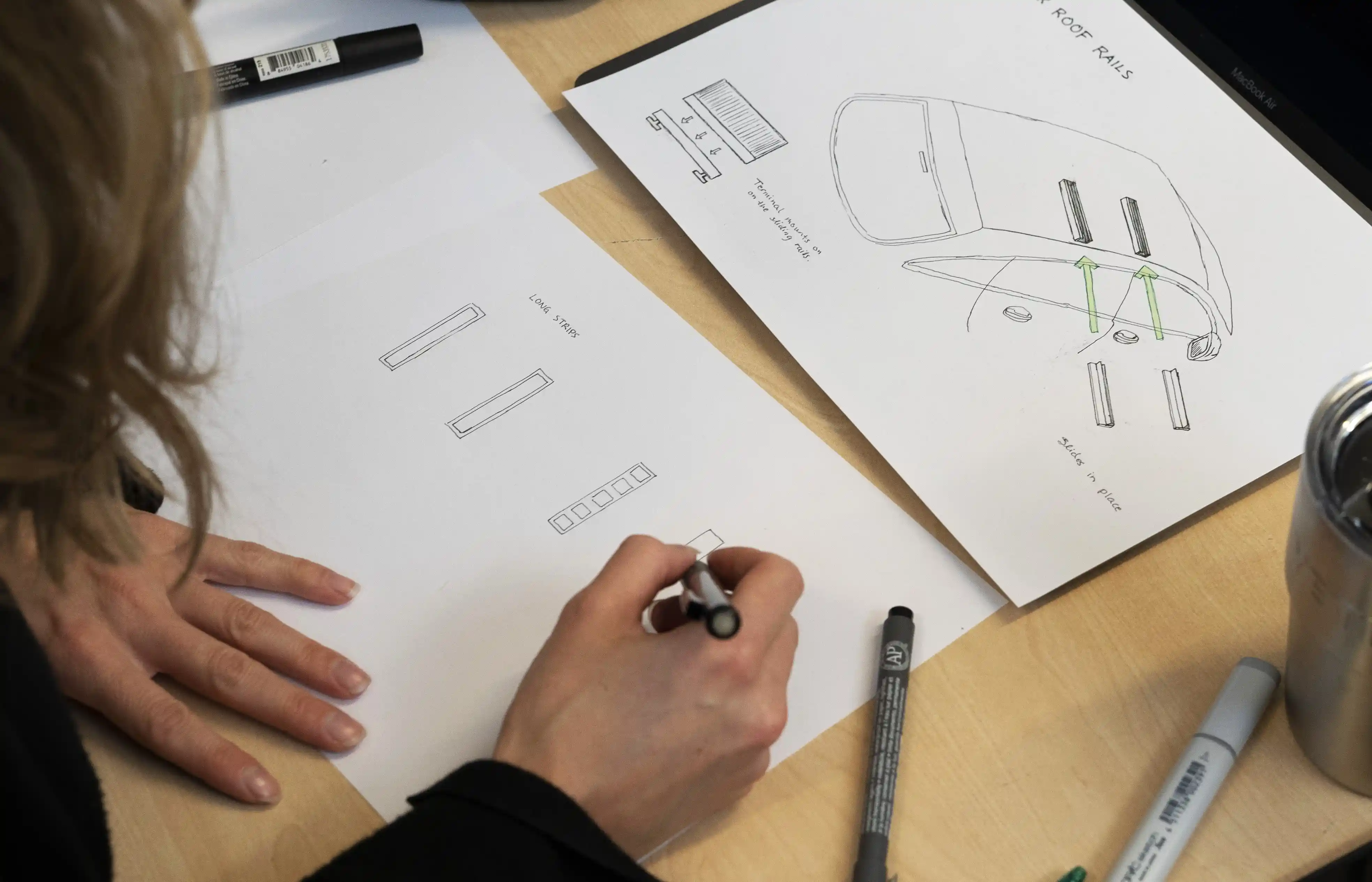
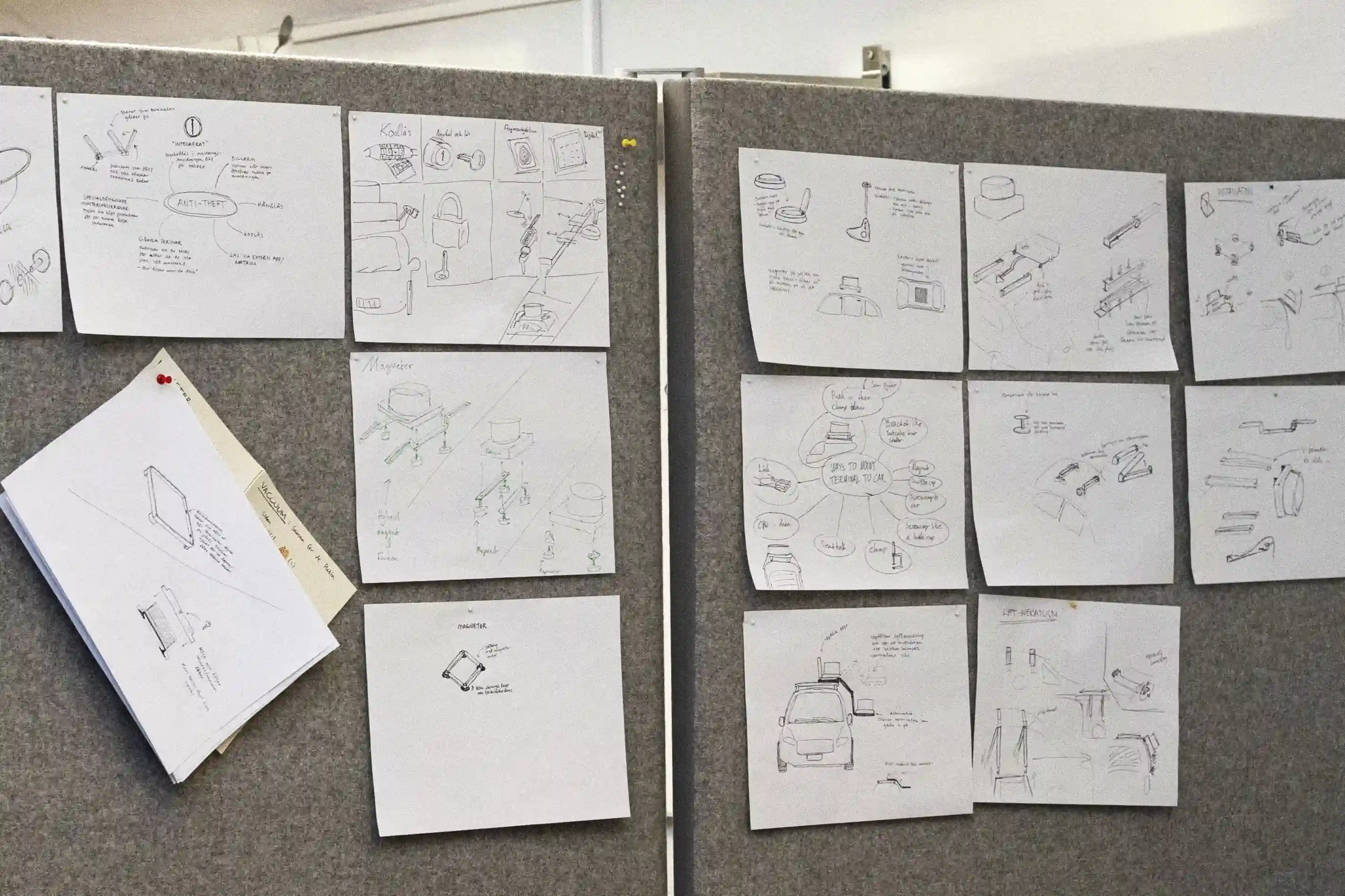
After the initial stages of getting to know the world of car roof mounts, mobility terminals,
and
the various project requirements and limitations, we began generating potential solutions. The
core
requirements were clear: the product had to be user-friendly, requiring no prior knowledge,
manuals,
or tools and ideally, theft-proof.
Although the needs were straightforward, they were also inherently conflicting.
Designing a
way for a roughly 20kg lump of metal and electronics to be easily installed on any car by one
lone
person, at heights above the shoulder of the 'average Joe,' posed a significant challenge.
Furthermore, we had to balance a non-intrusive installation method with the need for it to be
completely secure.
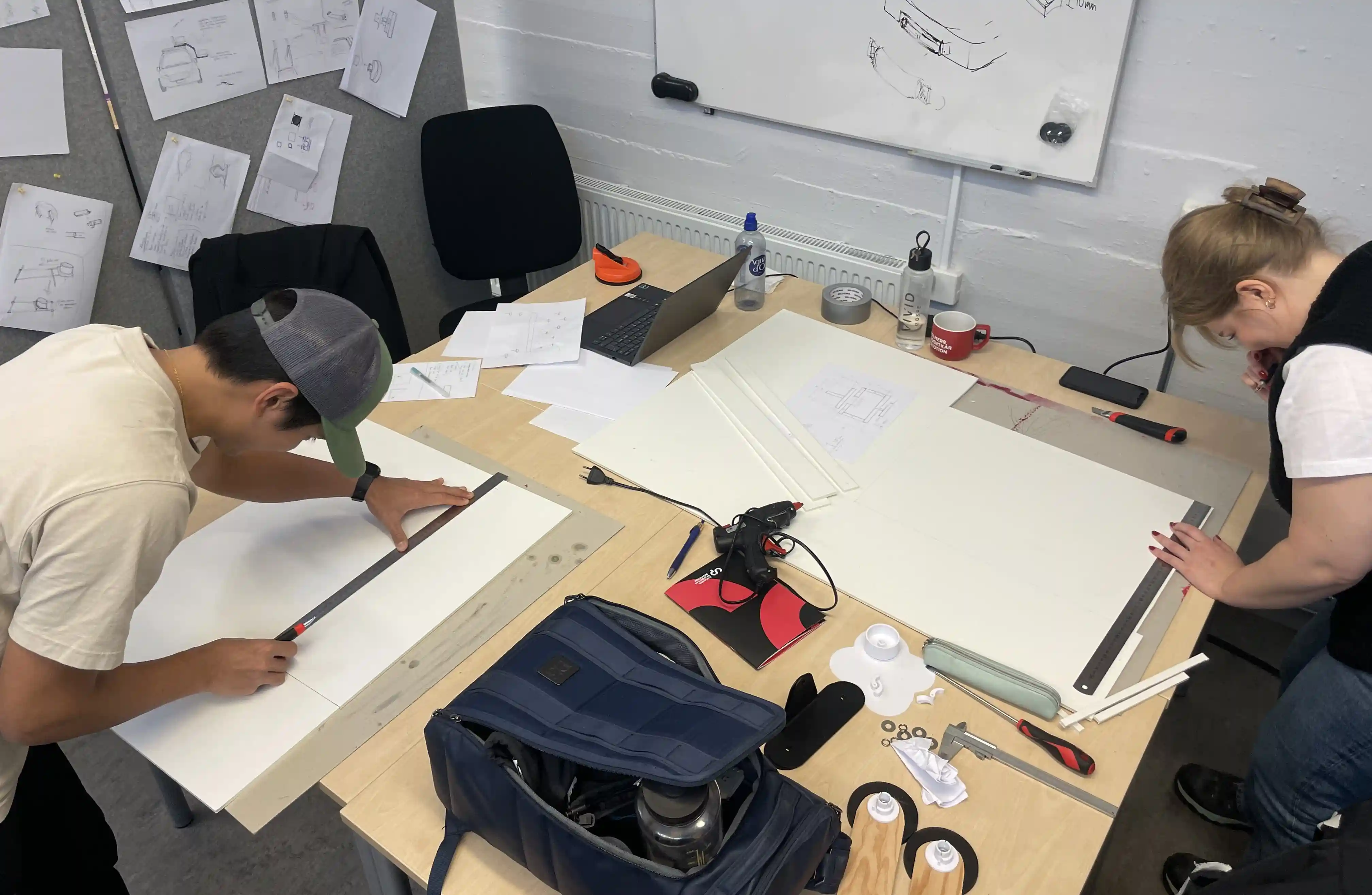
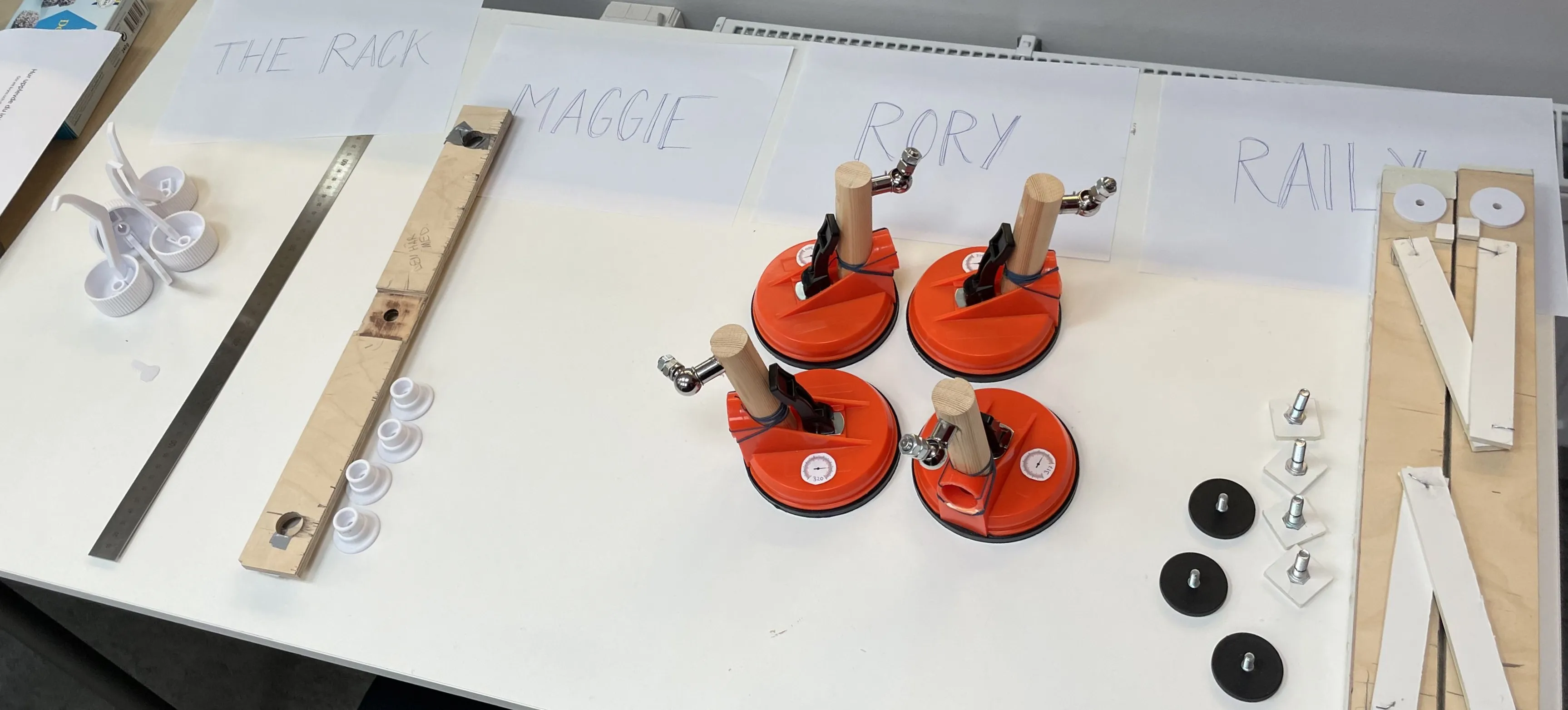
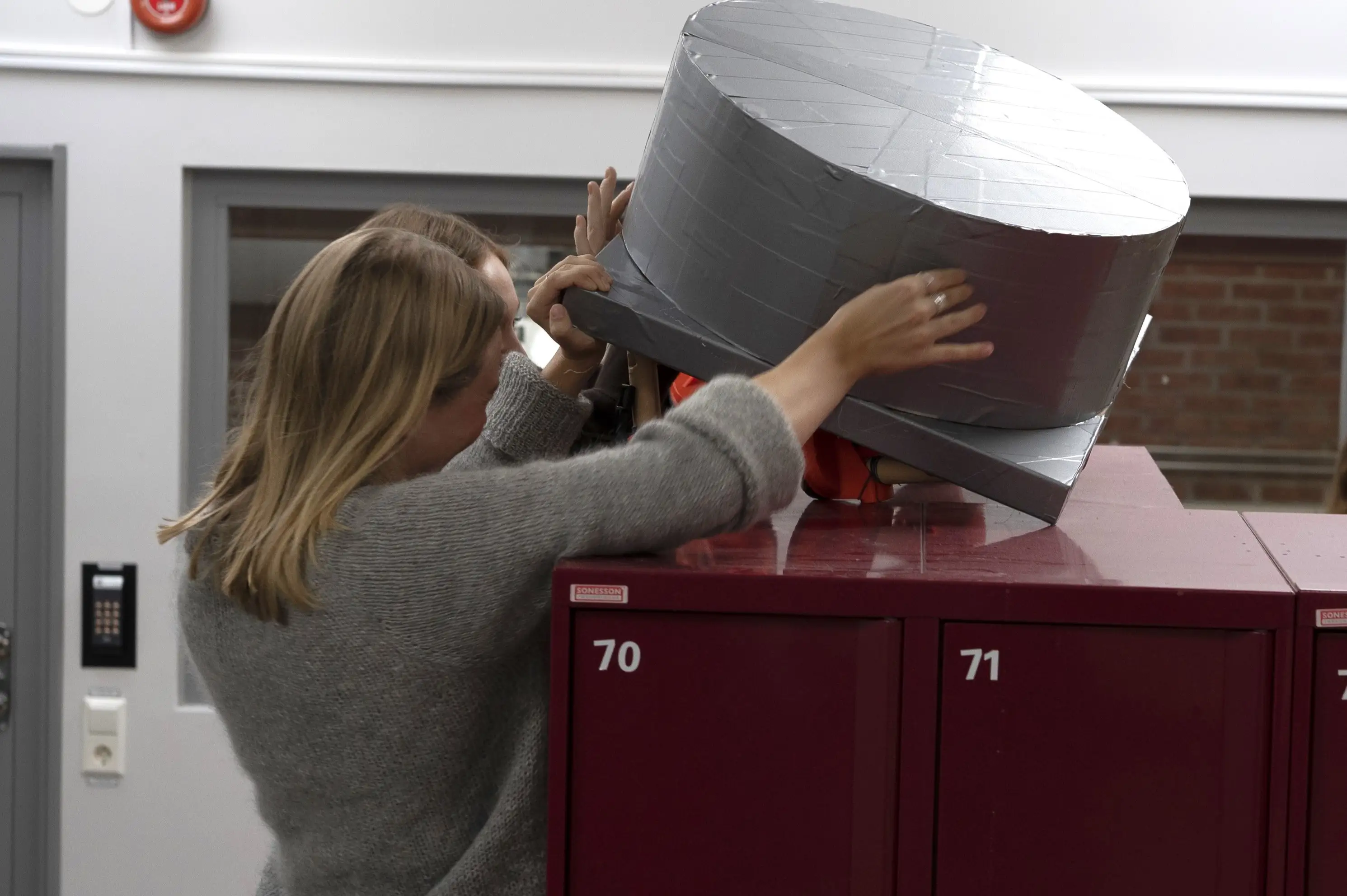
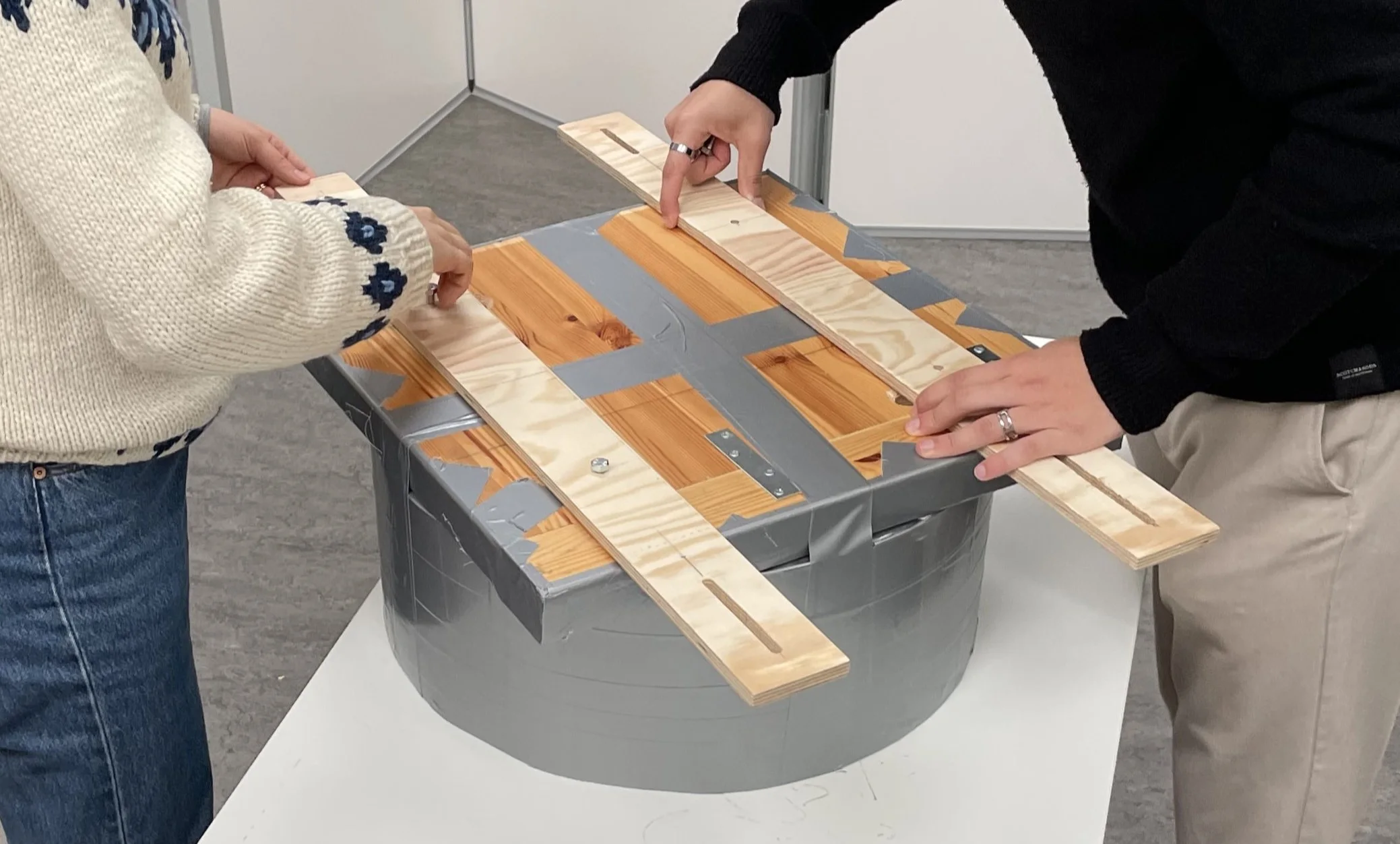
Four distinct ideas were tested. We were encouraged to explore magnets and suction cups due
to
their non-intrusive installation, although this immediately raised the issue of how to make them
theft-proof. Nonetheless, rough prototypes were developed and prepared for testing.
Our testing focused heavily on the ergonomics of the installation, specifically the physical
strain of a lone person carrying a 20kg lump of metal up to the roof and the difficulty of
maneuvering that weight above shoulder height. We also discovered that a dedicated frame was
essential to help align the mounting points correctly during the process.
When it came to security, we operated on the assumption that the magnets would be
powerful
enough that any attempt at theft would require literally breaking the frame down to dislodge
them.
This trade-off between magnetic strength and structural integrity became a key focus of our
final
iterations
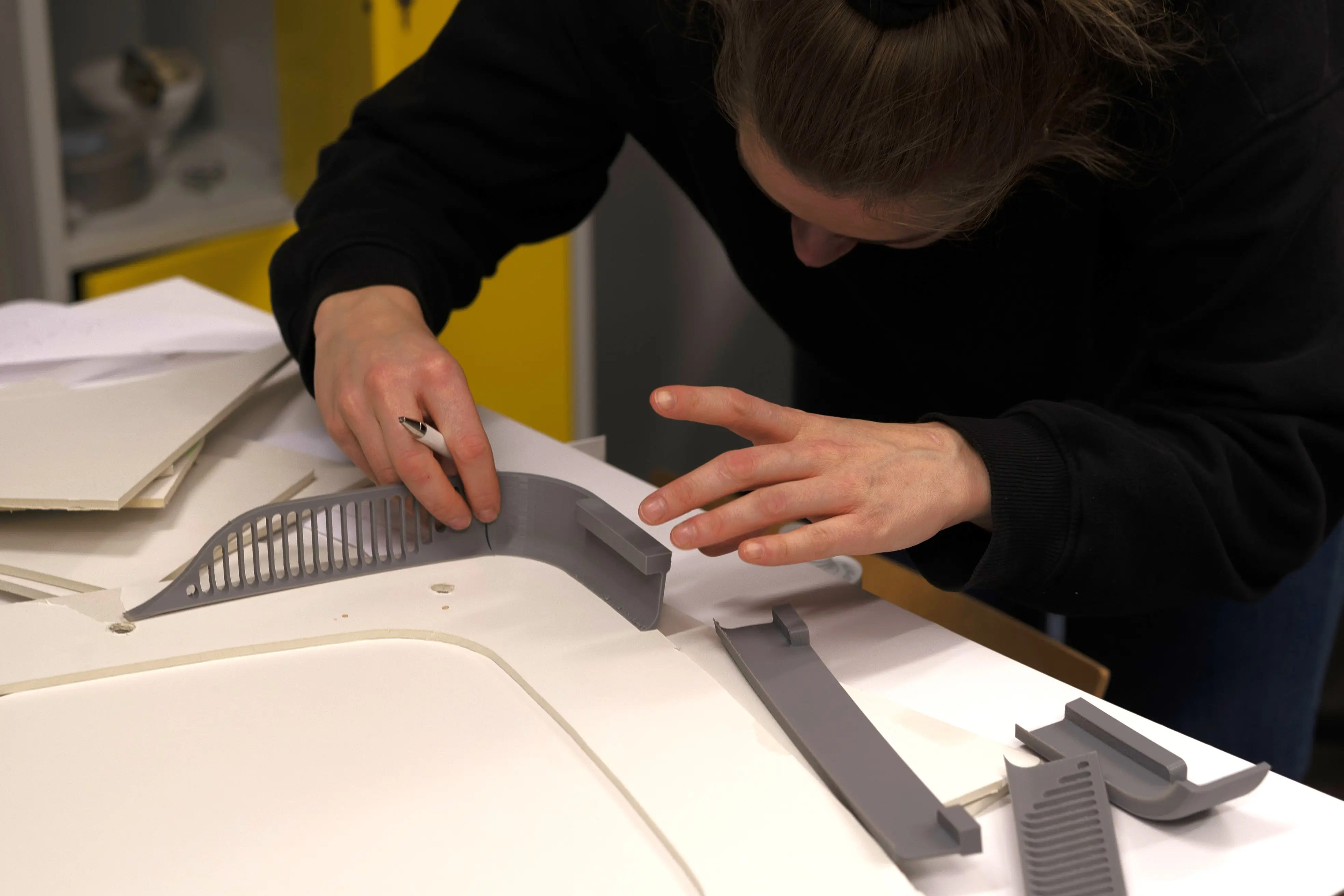
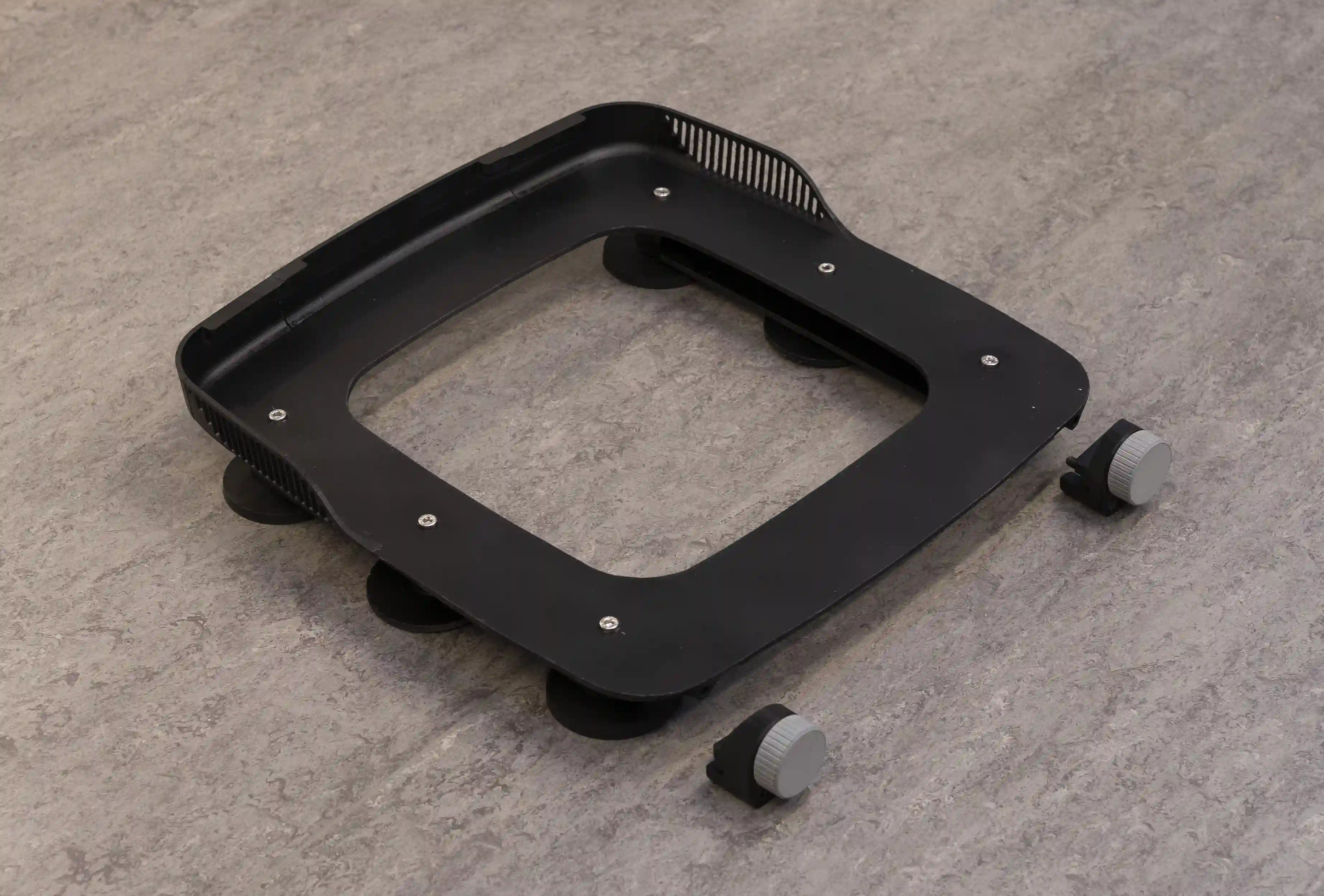
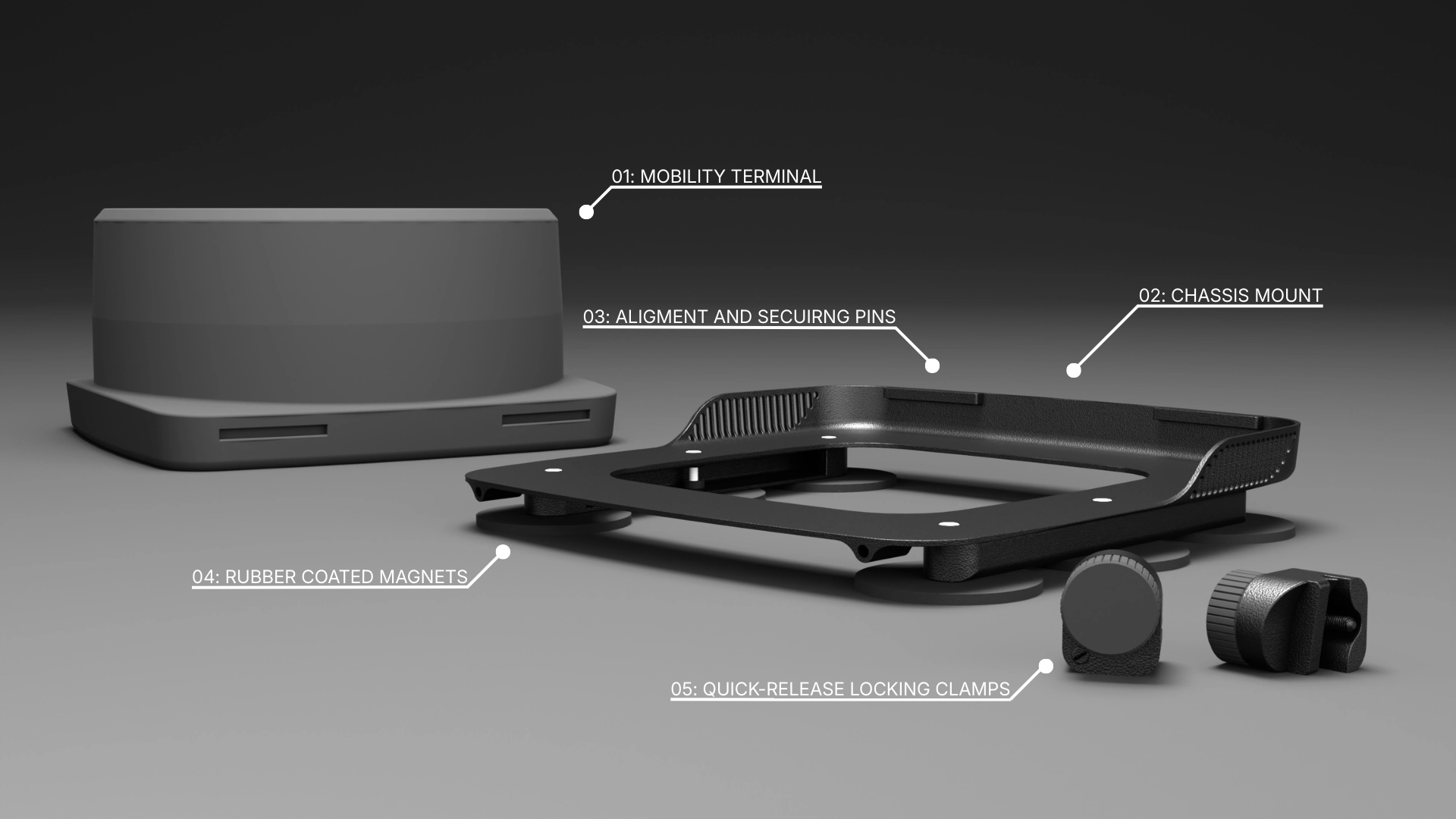
The final mockup represents a flat-pack solution designed for efficiency and compact
shipping.
We ultimately chose magnets over suction cups, reasoning that suction cups are more prone to
failure
under heavy loads or due to debris interfering with the seal.
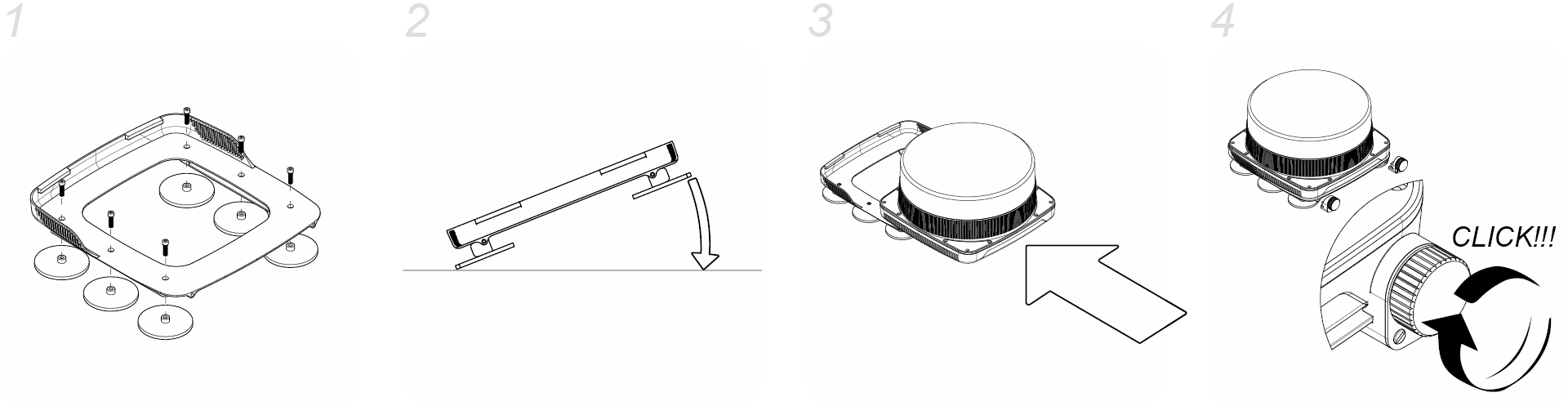
The installation process is designed in three logical steps:
- Preparation: The user mounts the magnets onto the main chassis.
- Aligment: The frame is positioned on the car roof; the frame itself acts as
a
guide, ensuring the magnets align perfectly.
- Engagement: The mobility terminal is slid onto the frame and secured with
integrated locking clamps.
While the frame is relatively large, its size is a necessary trade-off to ensure proper
alignment
and a smoother 'slide-on' installation for a single user. We recognize there are still variables
to
explore: the long-term theft-proofing of the magnetic bond, the load-bearing capacity at high
driving speeds, and the tendency for magnets to attract metallic debris which could cause
scratches
or rust. These areas provide a clear roadmap for further stress testing and material refinement.